





The traditional set-up
A traditional convenience store has a known initial cost. Installing the shelves, basic point-of-sale systems and stocking of basic inventory typically ranges from S$20,000 to S$100,000.
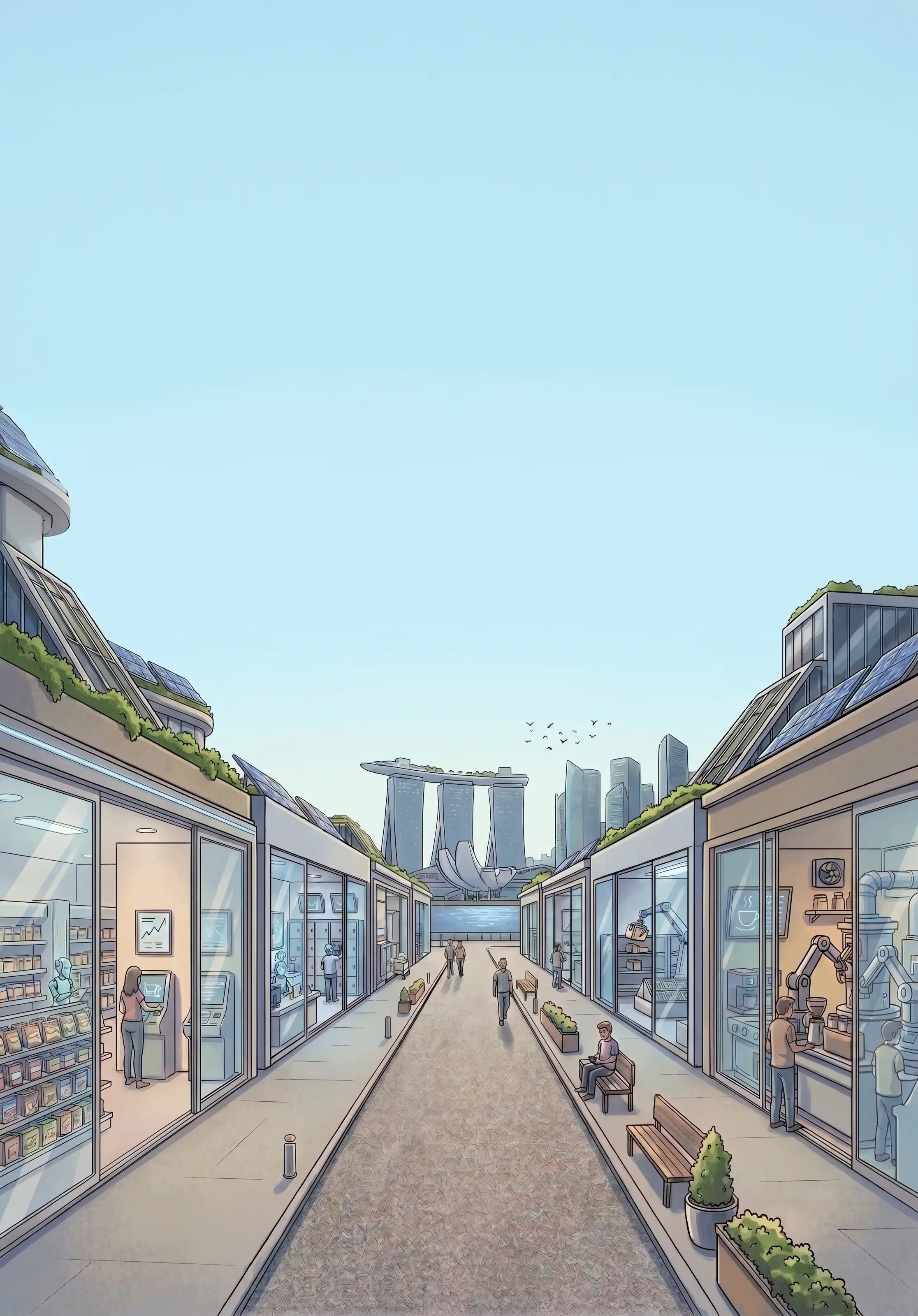
Step into a shop, grab what you need and walk straight out – no card-swiping or cash-handling needed. The experience – at least on paper – sounds like one that could end the checkout line forever. So why hasn’t it become a staple in Singapore’s retail scene?
'Zero checkout' was meant to solve a labour crunch, but costs and roll-out woes are forcing a rethink.
The 'zero checkout' concept has been in Singapore for close to a decade, with convenience store chain Cheers launching a pilot at Nanyang Polytechnic in 2017.
The model has been offered as a solution to the Republic's labour crunch.
For instance, an unmanned Cheers store launched in partnership with Visa in 2021 was projected to save up to 240 manpower hours a week.
Early expectations pointed to a nationwide roll-out in public housing estates and the Central Business District, but things took a different trajectory on the ground.
The issue stemmed not from limitations or failures in the technology, but a clash with human nature. Algorithms require absolute consistency, but that all falls apart when exposed to real-world habits.
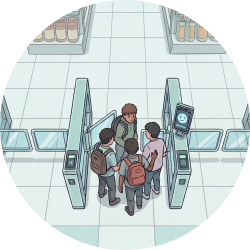
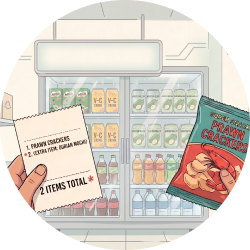
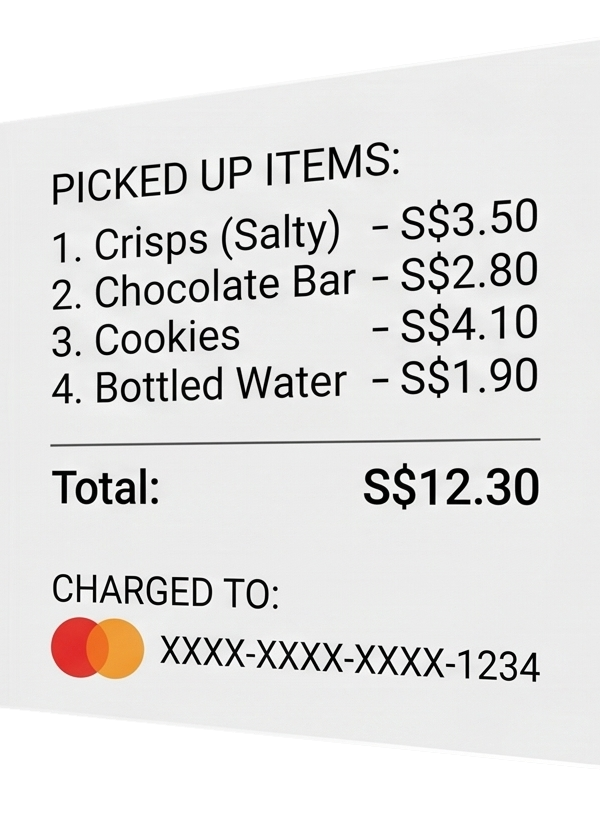
A field test of unmanned stores in Singapore by The Straits Times revealed that their artificial intelligence models were easily confused by common habits, frequently generating incorrect bills when multiple people shopped at once or when items were returned to the wrong shelves.
The physical design of such automated stores has therefore had to evolve, with a transition from camera-intensive pilots to more hardware-heavy systems today.
Operators have also pivoted their ambitions from large-scale operations to smaller, closed-off environments such as military bases and university campuses, where shopping behaviour is more predictable.
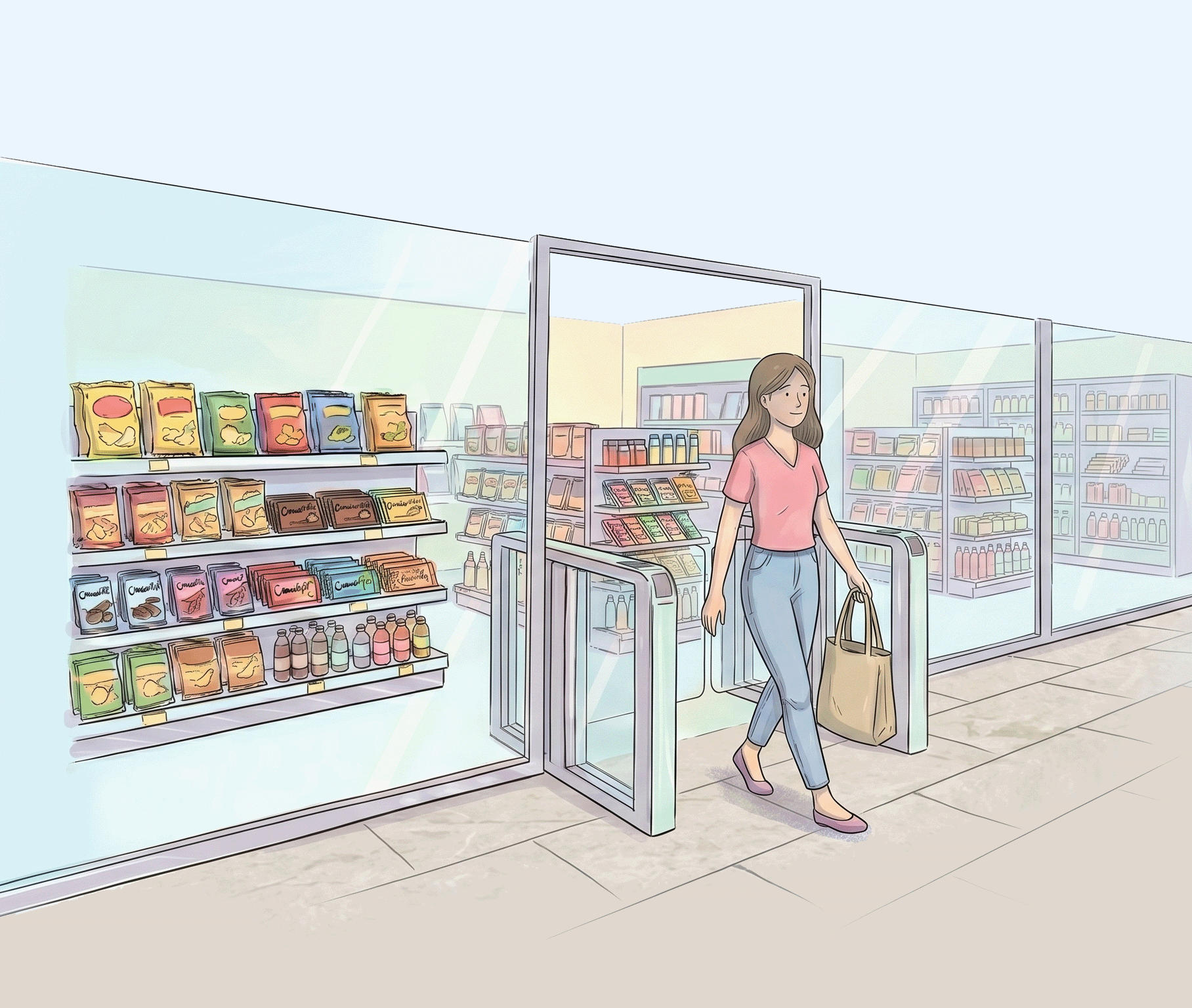
To run a store without cashiers, retailers rely on complex algorithms such as action recognition and predictive analytics. To collect the data these algorithms require, operators must invest in systems and hardware, including smart shelves, entry gates and overhead cameras.
Over the years, operators in Singapore have tested various configurations to track movements and process payments invisibly. These can be categorised into four primary hardware types:
AI-powered cameras track a shopper's movements, working with weight sensors on shelves to log when an item is picked up or put back.
The tag-and-scan model, used by early entrants to track physical goods, requires a microchipped sticker on every item. Upon exit, a smart gantry reads a shopper's entire basket at once using electromagnetic fields.
Physical entry barriers are used to verify a shopper's identity. Access is granted when a shopper taps their credit card or scans a mobile app QR code. Some gantries use facial recognition or palm-vein scanners linked to digital wallets, to ensure the system knows exactly who to bill.
Scanners, weight sensors and payment screens are built directly into trolleys, requiring wider aisles to manoeuvre. These smart carts are geared toward supermarkets, and were introduced in Singapore at FairPrice Group's Punggol Coast Mall store.
Industry data shows that user fatigue, decreased footfall and high maintenance costs hindered the unmanned model's scalability, both in Singapore and around the world.
Market reports point to three opportunities for operational improvement:
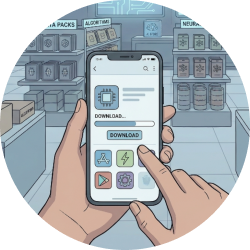
Strict rules, such as keeping items visible and avoiding physical contact, changed shopping habits. Downloading an app and waiting up to 14 days for a deposit refund discouraged spontaneous walk-ins.
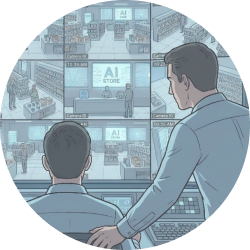
When stores get crowded, AI glitches force remote workers to track video feeds manually. The Information reported that 70 per cent of transactions needed a human checker, ruining AI cost savings.
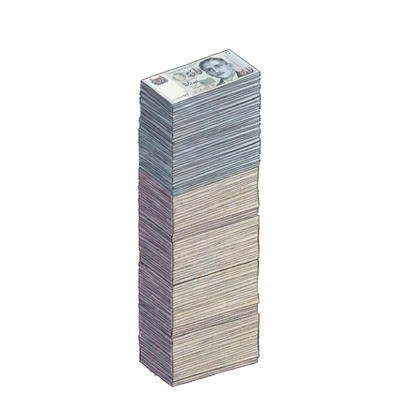
Theft, lost tracking, and mis-scans led to inventory losses. ECR Retail Loss Group found that up to 23 per cent of store losses could be attributed to self-service technologies.
The core unit economics of local operators explains their shift away from open streets to controlled spaces. The argument for 'zero checkout' stores is based on the trade-off between technology costs and expected manpower savings. But actual numbers tell a different story.
A traditional convenience store has a known initial cost. Installing the shelves, basic point-of-sale systems and stocking of basic inventory typically ranges from S$20,000 to S$100,000.
Overseas tech pushes unmanned store costs to three to five times that of a regular shop. A tiny space requires hundreds of cameras – which cost around US$100 apiece – to avoid blind spots. Adding shelf sensors and servers further drives up the upfront hardware bill.
Shop owners pay huge upfront tech costs with the expectation of eliminating payroll later. Running a 24-hour store without cashiers saves S$8,000 to S$10,000 a month in human wages.
However, those labour-cost savings are wiped out by hidden software costs; cloud storage, sensor tuning and hefty licensing fees can add up quickly.
Data reveals that automated retail isn’t eliminating operational costs. Operators are instead stuck in an unaffordable business deal, paying a recurring bill to tech giants.
Singapore is riding a massive wave of retail automation, with the Asia-Pacific making up over 60 per cent of the global unmanned market.
With fully automated 'zero checkout' pilots hitting speed bumps, two paths forward have emerged for retailers.
First, in 'high-trust' environments such as university campuses and military bases, ceiling-camera networks have emerged as the best option, despite their high costs. Second, in public spaces, retailers are shifting towards cheaper, low-tech options such as smart shopping carts. In these cases, the goal of automation is to help staff keep an eye on things and stop shoplifting, not eliminate all workers.
Note: The stores, launches, and closures mentioned in this article are non-exhaustive. FairPrice Group and Pick & Go did not respond to requests for comment.
SOURCES: 7-Eleven, Amazon, BigGo Finance, Business Insider, Business Research Insights, Digit7, Deloitte, ECR Retail Loss Group, FairPrice Group, Little day out, MOM, SBC, ST, VentureBeat, Visa, VTI
GRAPHICS: Hyrie Rahmat, Ho Yan Hao, BT (with AI assistance)
VIDEO: Ang Guangzheng, Rudi Osman, BT